
Lance Alyas turned intoxicating hemp products into a visible Waikīkī retail business. Now he is in federal court trying to stop the state from shutting that model down.
Lance Alyas still operates Oʻahu Dispensary and Provisions from a cluster of kiosks in Waikīkī, but the core of what the shops once sold is gone. The hemp-derived pre-rolls, gummies, and other intoxicating products that drew customers without medical cards have been pulled under Hawaii’s new enforcement rules. Alyas, the founder and lead plaintiff challenging those rules in federal court, calls the crackdown an existential attack. He has publicly warned that roughly 20 jobs are at stake and that the state has criminalized products he insists remain legal under federal law.
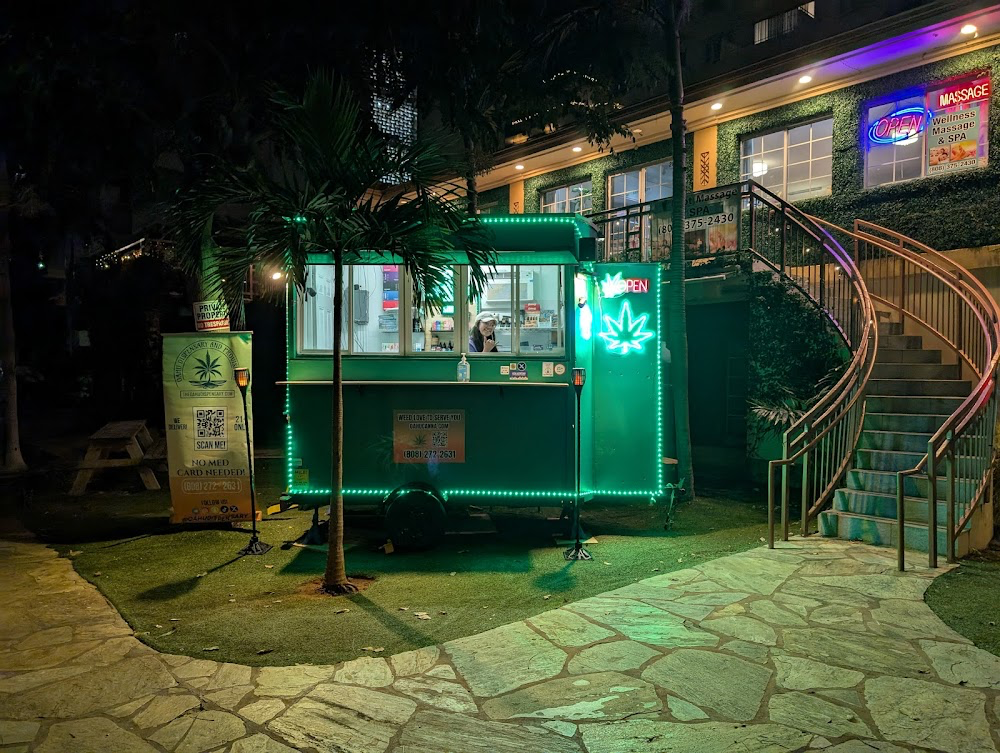
From the perspective of regulators and the licensed medical cannabis industry, Alyas represents something more specific: a retailer who built a noticeable business on the least-regulated, most intoxicating segment of the hemp market and is now fighting to keep it open.
For years, shops like his sold products that produced a clear THC effect while operating outside the testing, tracking, and medical-card requirements imposed on Hawaii’s eight licensed dispensaries. The goods were labeled as hemp. In practice, many were formulated or converted to deliver the same psychoactive results customers sought from marijuana, often at lower prices and with far less oversight. Licensed operators argued that this parallel market had grown large enough to drain significant revenue from the regulated system and that many of the products in question lacked the rigorous, verifiable testing required of medical cannabis.
Noa Botanicals CEO Karlyn Laulusa was among those who documented the expansion to lawmakers, citing the rapid increase in unlicensed retailers and Department of Health estimates that the majority of cannabis-related spending was occurring outside the licensed channel. Act 269 and the enforcement rules that followed gave the health department clearer authority to register sellers and remove non-compliant products. When inspections began, the higher-intensity items disappeared from shelves across the state, including Alyas’s.
From Retailer to Federal Plaintiff
Alyas rejects the consumer-protection rationale. He frames the law as protectionism for a small group of licensed operators he has called “the Hateful Eight,” pointing to the limited number of medical licenses and the expansion of existing dispensaries into areas like Waikīkī. He maintains that his products met the federal delta-9 THC threshold and that laboratory results support his position.
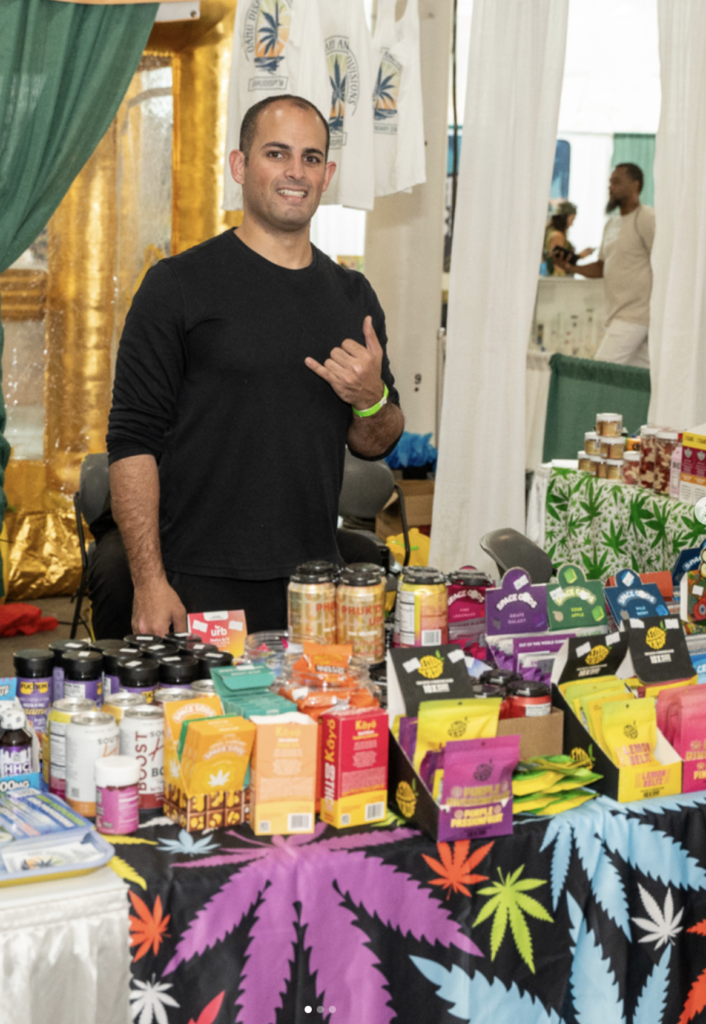
That defense has not resolved the central objections raised by the licensed industry and some policymakers. Their criticism of the broader intoxicating-hemp category has remained consistent: limited transparency, uneven testing practices, difficulty verifying claims once products reach retail, and the absence of the controls imposed on medical cannabis. Alyas’s shops became among the most visible examples of a business model that flourished in that environment.
He has chosen litigation over full adaptation. His federal lawsuit argues that Hawaii’s rules violate the Supremacy Clause and dormant Commerce Clause. The state has moved to dismiss.
While the case proceeds, the practical result is already visible. Hawaii’s open retail market for intoxicating hemp products has been sharply curtailed. Alyas remains its most prominent plaintiff, asking a federal court to preserve substantial parts of a market the state has now decided required far tighter limits.
Whether the courts agree will determine how much of that model survives.