

Hurricane Lala power outages continued to ripple across the islands days after the storm moved west of Hawaiʻi, with the steady rumble of portable generators replacing the usual fragrance of plumeria and pikake in many neighborhoods. As residents coped with snapped lines from winds, fallen trees and mudslides, many turned to backup power to get through extended blackouts.
Hawaiian Electric Industries said its utilities aimed to restore service to 95% of affected customers by Friday, yet nearly 20,000 accounts were still without power early Thursday. The company acknowledged some communities, especially in the hard-hit southern Kaʻū District on Hawaiʻi Island, could remain in the dark for weeks. Gov. Josh Green visited to assess damage and reassure residents as images of widespread destruction circulated online.
In Kona, demand for backup power surged. Clerks at the Lowe’s store said a shipment of 100 generators sold out last Friday even before the hurricane neared the island.
Solar battery systems were also gone, and staff estimated it could take about a month before new stock arrives. One shopper leaving the store warned a friend arriving to buy equipment that major retailers, including Home Depot, Costco, Walmart and Ace Hardware, had run out.
Store employees said people were still buying batteries, flashlights, chainsaws and cleaning supplies. Some residents said they were weighing a move off-grid after noticing neighbors with standalone power systems fared better during the outages.
The trend comes as HEI has already proposed two new rate increases for 2027 and 2028, on top of some of the highest electricity prices in the country. Some residents and small business owners are watching their budgets more closely or seeking extra income as they absorb higher utility and storm-related costs, similar to how those planning for retirement are urged to focus on steady, long-term strategies in uncertain times.
Recovery has begun, with crews flying in from the continent to help HEI subsidiaries rebuild damaged lines. Beyond the emergency restoration costs, businesses lost days of sales while their doors stayed shut without electricity.
The governor estimated the storm’s damage in the hundreds of millions of dollars, while outside assessments put total losses, including infrastructure, between 3 billion and 5 billion dollars. Officials at the Federal Emergency Management Agency are expected to review the estimates as the state considers disaster aid and long-term recovery options.
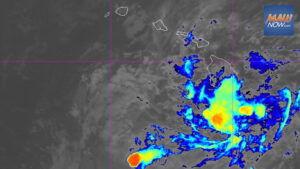
Forecasters are tracking two more systems forming to the east that could strengthen into tropical storms or hurricanes as they move toward Hawaiʻi. If they make landfall or pass nearby, the state could face a repeat of the same power disruption cycle.
Why Hurricane Lala power outages were so widespread
One major vulnerability is overhead distribution. In Hawaiʻi it has long been considered too expensive to trench through lava rock and place power lines underground, a practice that is more common on the continent.
Given the repeated restoration costs and the lost revenue for businesses during frequent outages, advocates say preemptive undergrounding in specific trouble spots should be reconsidered. In North Kohala, for example, one- or two-day outages occur multiple times a year even when winds do not reach tropical storm force.
With ocean temperatures rising and the likelihood of stronger and more frequent hurricanes increasing, the long-term costs of constant repairs, restoration and rebuilding may outweigh the upfront investment in targeted undergrounding. One way or another, residents will pay for reliability, whether through repeated emergency work or proactive hardening.
County and state leaders, along with HEI executives, may need to revisit the cost-benefit math and identify strategic corridors where burying lines would reduce chronic outages and improve resilience before the next storm arrives. Agencies such as the Hawaiʻi State Energy Office are likely to play a role in shaping those infrastructure decisions.








One Response