
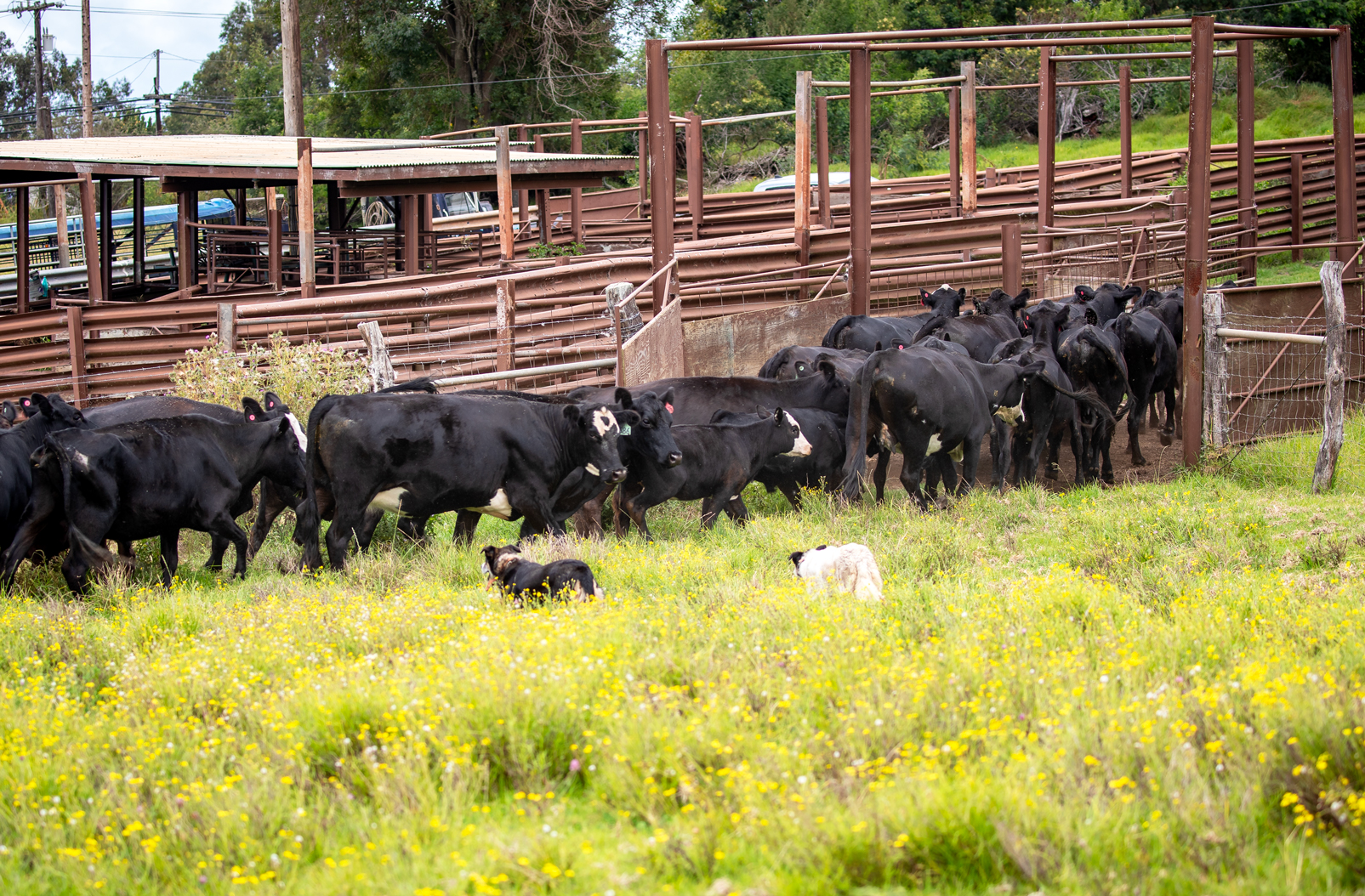
Hawaii cattle shipments are climbing as ranchers respond to mainland demand and high beef prices, outpacing other livestock movements and underscoring long-standing gaps in local meat processing capacity.
State agricultural data show nearly 55,000 cattle shipments over the past three years, with almost 80% headed off island. That represents more than three-quarters of all farm animal loads moving within and out of the state, reflecting cattle’s dominance in Hawaii’s livestock sector and broader national market forces, according to the Department of Agriculture and Biosecurity.
Hawaii cattle shipments reflect shifting market dynamics
For decades, many local ranchers have followed a cow-calf model, raising calves in the islands before sending them to mainland feedlots and processors. Rising feed costs helped cement that approach in the early 1990s, and today animals still move between islands for various reasons, with slaughter a primary driver.
Goats rank second among shipped livestock, accounting for just under 20% of animal movements. Most goat shipments originate on Hawaii Island and are routed to Oahu for slaughter and retail sale.
Hawaii Island remains the state’s top livestock producer by a wide margin. Over the past year, shipments from the Big Island represented about three-quarters of the statewide total.
Oahu is the second most common destination for cattle because its facilities can process mature animals, and it often serves as a staging point for livestock bound for the mainland.
Infrastructure limits local meat supply
Demand for Hawaii-raised cattle has intensified as retail beef prices hit record highs and national herd counts fall to their lowest level in roughly 75 years. That trend has boosted interest in young animals from the islands, which are typically finished and slaughtered on the continent.
Despite a push to expand locally produced beef and other meats, limited slaughterhouse capacity remains a key bottleneck. Ownership changes and increased off-island shipments have added to supply volatility.
Hawaii produced 9.1 million pounds of red meat in 2024, up 1.1 million pounds from 2018, yet more than 1 million pounds below output during the pandemic period.
State analysts report growing consumer interest in local meat, aligning with federal projections that U.S. beef consumption will rise by about 1.67 billion pounds by 2027. In response, lawmakers have directed several million dollars to increase slaughter capacity statewide, including funding for smaller livestock such as sheep and pigs.
Among those investments is $4 million for a facility in Kunia on Oahu.