
Hawaii tax collections are poised to come in higher than expected this fiscal year, with state forecasters citing near-term price spikes tied to the war in the Middle East. The longer-term picture looks weaker as uncertainty threatens tourism and household spending.
The Council on Revenues on Thursday raised its estimate for general fund revenue in the fiscal year ending June 30 by about $200 million, to roughly $9.72 billion. Members said the war’s immediate effects, including higher oil prices, have lifted inflation and in turn boosted tax receipts as residents pay more at the pump and for goods.
For the new fiscal year beginning July 1, the council trimmed its projection by about $100 million to approximately $9.82 billion, reflecting concern that prolonged conflict could cool Hawaiʻi’s visitor industry and reduce spending. The council’s revenue forecasts underpin the state budget and are closely tracked by lawmakers and agencies.
The updated projections do not factor in Gov. Josh Green’s signing of Senate Bill 3125 during the meeting. Now Act 24, the law adjusts the 2024 income tax changes by creating a new 13% bracket for the highest earners and reducing the burden on the lowest-income taxpayers. Officials expect the measure to increase annual revenue by about $100 million by 2030. Green said the law preserves “meaningful tax relief for working families” while maintaining resources for essential services.
Hawaii tax collections and higher prices
Carl Bonham of the University of Hawaiʻi Economic Research Organization, a council member, said oil cost increases tied to the Strait of Hormuz closure have pushed up inflation. In the very short run, he said, higher prices translate into more tax revenue before any drop in demand takes hold.
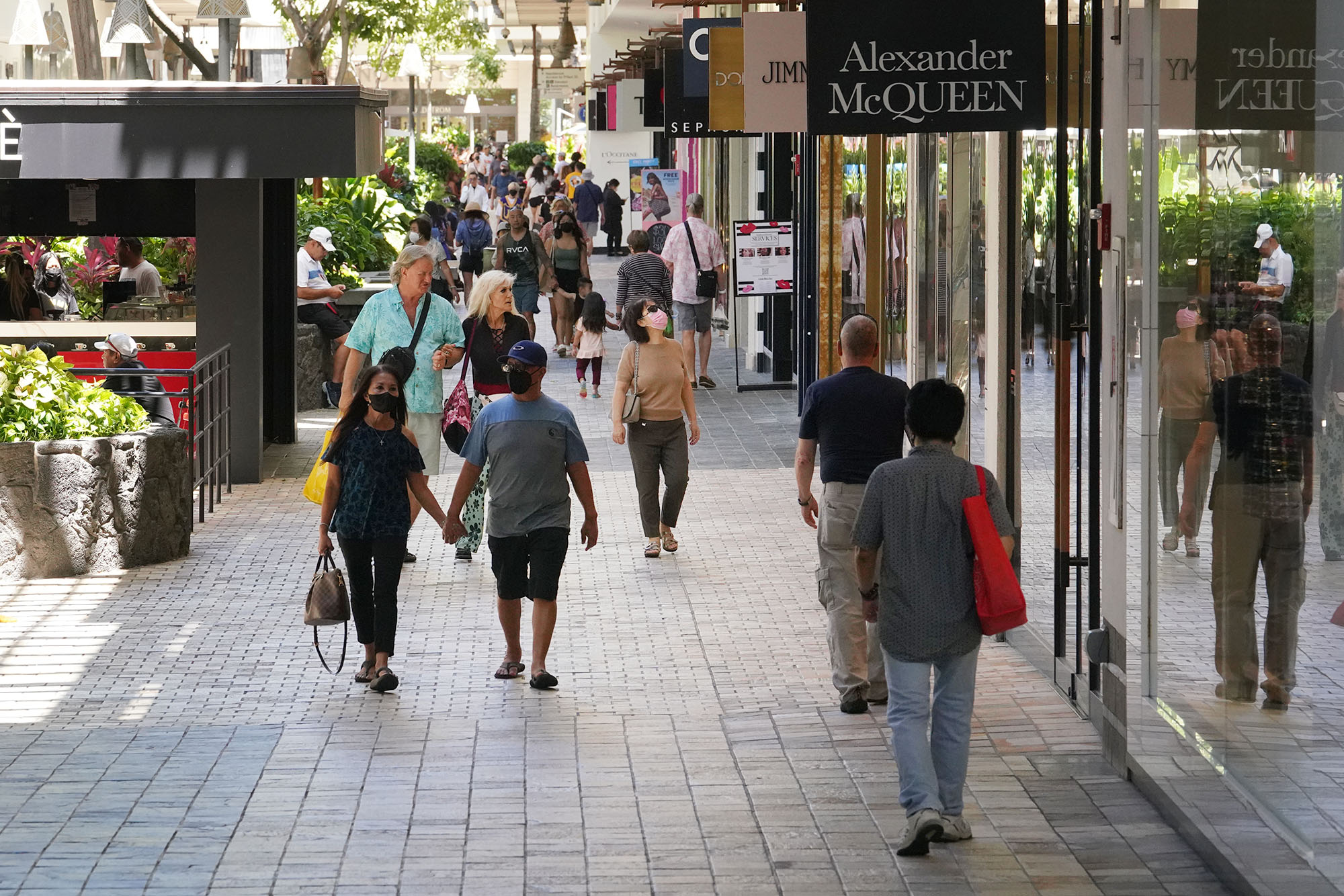
Despite concerns, visitor spending has been robust. Bonham noted a strong start to the year, even with a Kona low dampening March activity, with real visitor spending up about 6% in the first quarter and airline bookings solid through July. Council member Kristi Maynard pointed to a possible wealth effect from a strong stock market supporting travel demand. Bonham added that larger-than-usual federal tax refunds may have buffered households from recent gas price increases, though that impact could intensify in coming months.
Looking ahead to next fiscal year, Bonham said forecasting becomes more difficult. If the Strait of Hormuz reopens in June or early July, UHERO expects a period of elevated inflation alongside a slowdown in visitor spending, with recovery next calendar year. Gasoline prices are likely to remain high for some time, he said.
Reflecting these risks, the council lowered its expected growth in next year’s tax collections from 2% to 1% and left projections for the following five years unchanged. Bonham said reopening the strait soon would still bring economic impacts, but a prolonged closure could be significantly more damaging.