

The Michael Kors Versace acquisition is the centerpiece of a plan to transform the Italian fashion house into a $2 billion business, according to company executives.
Kors, which is renaming its parent company Capri Holdings Ltd., said Tuesday it would purchase Gianni Versace SpA for about $2.2 billion. The strategy calls for opening roughly 100 additional stores, investing in a shared e-commerce platform, and elevating sales of accessories and footwear under the Versace label to more than double revenue.
Kors Chief Executive John Idol set a target of $2 billion in annual sales for Versace, a goal that has raised questions among some observers about potential dilution of a luxury brand at larger scale. That level would approach Prada’s size, though still far below Kering’s Gucci. Executives said Versace is expected to generate about $850 million in revenue this year.
“Versace is terribly underdeveloped and that’s really going to change now that they’ll have the resources of Capri behind them,” Idol said on a conference call, noting that several Italian luxury peers now generate revenue in the billions.
Donatella Versace will remain creative director. The brand is expected to expand its store network, emphasize handbags and small leather goods, and reach a broader customer base.
Accessories at the core of the Michael Kors Versace acquisition
Capri plans to lift accessories, including handbags, leather goods, and shoes, to about 60 percent of Versace’s business, up from roughly 35 percent today. Versace is best known for its bold ready-to-wear designed by Donatella, but Idol said the biggest upside lies in accessories.
The push comes as the luxury handbag market grows more competitive. Rivals have moved aggressively into leather goods, with Burberry investing in a Tuscany factory and hiring a Dior handbag designer, LVMH appointing Hedi Slimane to lead Celine with ambitions to multiply unit sales, and Kering’s Saint Laurent expanding in leather goods while Balenciaga and Alexander McQueen pursue similar moves.
“The accessories side of the business is very underpenetrated, so there are good opportunities there. But they’re not alone,” said John Guy, an analyst at MainFirst Bank, cautioning that not all brands will meet their goals.
Expanding presence and online reach
Idol described Versace’s online business as nearly nonexistent. Capri has invested about $100 million in a multi-brand e-commerce platform and plans to integrate Versace quickly.
Idol said he hopes online sales will eventually exceed $100 million, without providing a timeline. The company also intends to increase Versace’s store count by about 50 percent to around 300.
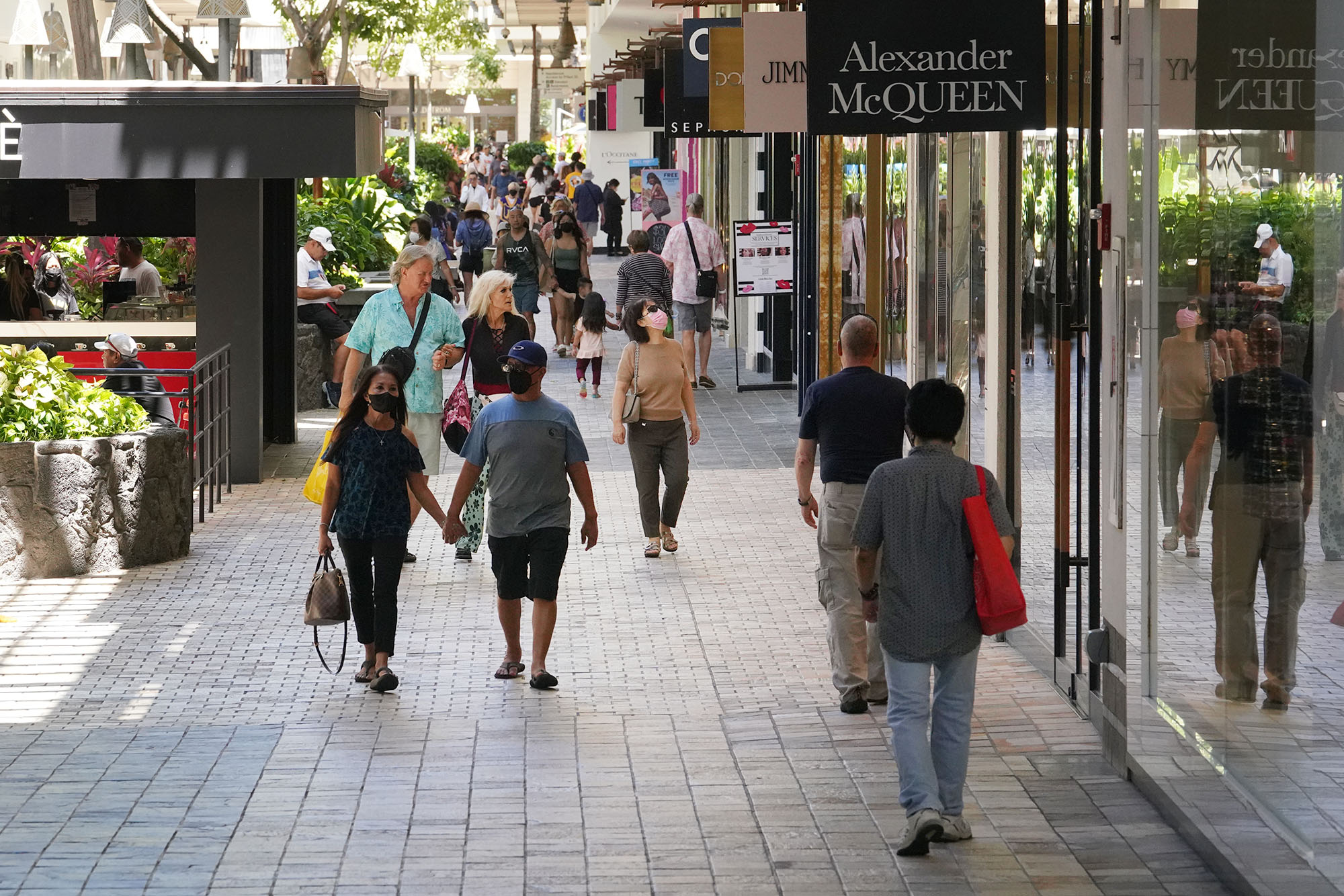
New shops will be smaller than flagship locations in Milan, London, and New York, and will target untapped markets. Idol said current stores are not as productive as they should be and identified Japan and Korea as key growth opportunities.
Versace exited Japan in 2009 and returned in 2015 with a handful of boutiques. Its presence in Korea remains very limited.
Reputation and investor reaction
The deal comes as Versace enjoys renewed momentum. At Milan Fashion Week last September, Donatella honored founder Gianni by reviving signature 1990s looks, closing the show alongside supermodels including Carla Bruni and Cindy Crawford.
The house followed with a widely viewed Vogue interview and co-hosted the Met Gala in May, dressing Gigi Hadid and Kim Kardashian.
Investor response has been mixed. Kors shares slid Monday amid deal speculation and initially fell again Tuesday after the announcement, before turning positive during the session.
“We understand and applaud the desire to think differently about what a modern portfolio means, but with Versace, investors will see more fashion risk,” wrote David Schick, an analyst at Consumer Edge, in a client note.
Donatella sought to emphasize continuity in a staff meeting at Versace’s Milan headquarters, saying the family remains committed to the business as shareholders in the newly named Capri.