

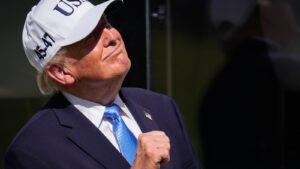
Cuban dissidents see Trump as a potential catalyst for change in Havana and argue that sustained pressure on the communist government offers the strongest opportunity to weaken the regime. At the same time, they are urging U.S. officials to give the island’s opposition leaders a more meaningful role in shaping strategy.
High-profile activists and former political prisoners say a tougher line from Washington has raised the cost of repression for Cuban authorities. They contend that targeted sanctions, diplomatic isolation, and tighter restrictions on regime-linked revenue streams have strained government resources and limited its room to maneuver.
Those advocates also caution that pressure alone will not deliver lasting democratic change. They want the Cuban opposition and civil society groups to be consulted regularly, included in public diplomacy efforts, and supported with resources that allow independent organizing, information sharing, and legal defense for detainees.
According to dissident leaders, the goal is to couple international pressure with a credible internal movement capable of negotiating reforms, protecting human rights, and preparing for a democratic transition. They argue that direct engagement with Cuba’s pro-democracy network would help align external measures with conditions on the ground, reduce unintended harm to ordinary Cubans, and keep attention on political prisoners.
Hawaii’s Cuban American community, along with island residents who follow Latin American affairs, has closely watched these developments. Local advocates note that changes in U.S.-Cuba policy can affect family remittances, travel, and regional migration patterns that ripple across Pacific communities through shared economic and cultural ties.
Cuban dissidents see Trump
Activists maintain that consistent U.S. policy is essential, especially during leadership transitions in Washington. They say a clear framework that links human rights benchmarks to sanctions relief would incentivize reforms and give Cuban authorities a roadmap for normalization.
Opposition figures add that any future dialogue should include protections for free expression, an end to politically motivated detentions, and access for international human rights monitors. They argue those steps are necessary to build trust and pave the way for competitive elections.
While supporters of a hardline approach credit it with exposing the regime’s vulnerabilities, critics warn that broad restrictions can burden everyday Cubans. Dissidents say the solution is targeted measures paired with humanitarian channels that keep support flowing to families while limiting benefits to security services and state-controlled enterprises.
As the debate continues, pro-democracy leaders emphasize that the most effective policies will be those that elevate Cuban voices, protect activists at risk, and keep international attention focused on accountability for abuses.










One Response