
The Hawaii truck bed law now raises the minimum age to ride in the back of a pickup from 12 to 16, a shift that reflects growing safety concerns on busier island roads while acknowledging a longtime local custom.
Gov. Josh Green, a physician who witnessed a 2023 crash in which a 25-year-old man was thrown from a pickup bed, signed the measure last month. At the time, Green said he would prefer no one ride in a truck bed because passengers should be belted.
Hawaii truck bed law and island tradition
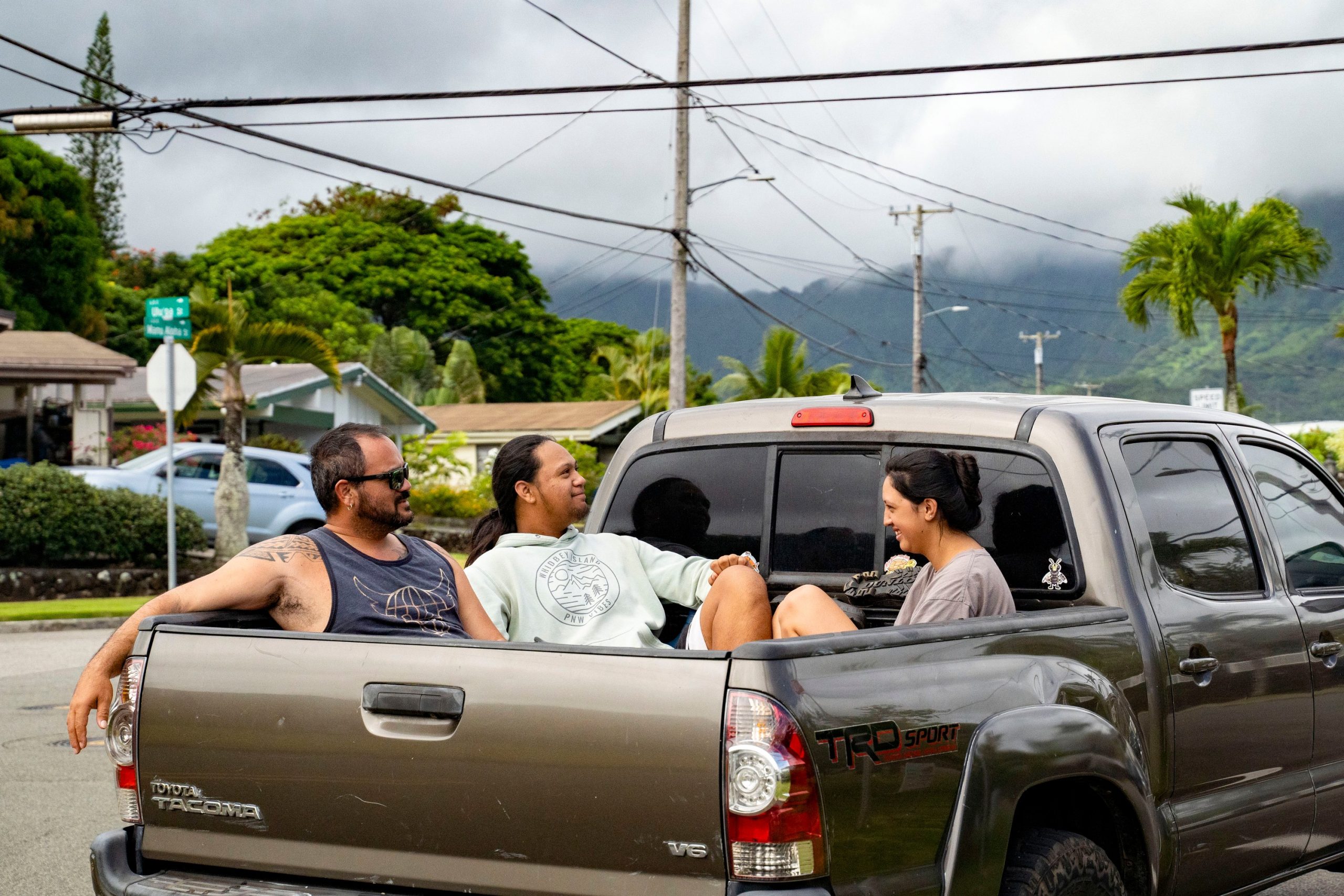
Riding in the beds of pickups has long been a familiar sight in Hawaiʻi, especially along rural stretches framed by mountains and ocean. For many residents, it evokes small-town life. Kailua resident Kimeona Kane recalled hopping into the back of a truck as a kid to get to practice, describing the feeling of sun and salt air as part of what made it feel like island life.
These days, Kane limits bed riding to back roads, mostly in Waimānalo, where he grew up. He sets ground rules, including no sitting against the tailgate and no riding on coolers or chairs. For him, the practice is a piece of local identity that crosses cultures. “It’s not Hawaiian culture. It’s Hawaiʻi culture,” he said, tying the tradition to plantation-era life when workers from across the globe helped shape the islands’ multicultural identity and often used truck beds to get around.
Others share the nostalgia, even as traffic has grown faster. Waianae resident Richard Landford Jr., 80, remembers catching rides in the backs of farm trucks. He believes truck beds should remain an option, though he acknowledges today’s roads move too quickly. “You drive to almost any church out here in the rural area, you’ll see people in the back of trucks,” he said.
Some residents still rely on the practice out of necessity, said state Rep. Darius Kila, noting that larger families with a single pickup may lack enough seats in the cab.
Lawmakers weigh safety and lifestyle under Hawaii truck bed law
Lawmakers had attempted for years to tighten rules before passing the new age limit this spring. The updated Hawaii truck bed law arrived after a fatal Honolulu freeway crash earlier this year in which a woman was thrown from a pickup bed after a rear-end collision. Kila introduced the bill, framing the change as part of a broader effort to improve motorist safety during roadside emergencies. He originally proposed stricter curbs, such as banning bed riding on certain highways, but said efforts to remove or sharply limit the practice have long faced fierce pushback tied to local identity.
Nationally, 29 states and the District of Columbia restrict riding in pickup beds, typically with exceptions for farm work, parades, and emergencies, according to David Kidd, vice president of vehicle research at the Insurance Institute for Highway Safety. All states except New Hampshire require adult front-seat occupants to wear seat belts.
Hawaiʻi’s updated law includes similar exceptions and allows those 16 and older to ride in a truck bed only when there is no seating available in the cab. Kidd said riding in truck beds is extremely dangerous because there are no safety features, but he called the change a step toward safer roads that could eventually shift public attitudes. Kila agreed and said Hawaiʻi may ultimately ban the practice altogether, even if that decision would likely face initial resistance.
Some in agriculture have already moved away from truck beds. Dean Okimoto of Nalo Farms said many farmers now use passenger vans with seats and belts to move crews of 10 to 12. “I wouldn’t chance putting people in an open truck,” he said. “They should ban it completely.”
The law is one of several recent transportation-related measures in Hawaiʻi that adjust age and safety rules, joining efforts like Hawaii e-bike regulations that focus on helmets and rider eligibility. Details on the new pickup bed rules are available through the Office of the Governor of Hawaii, which publishes signed legislation and updates on state traffic safety initiatives.