
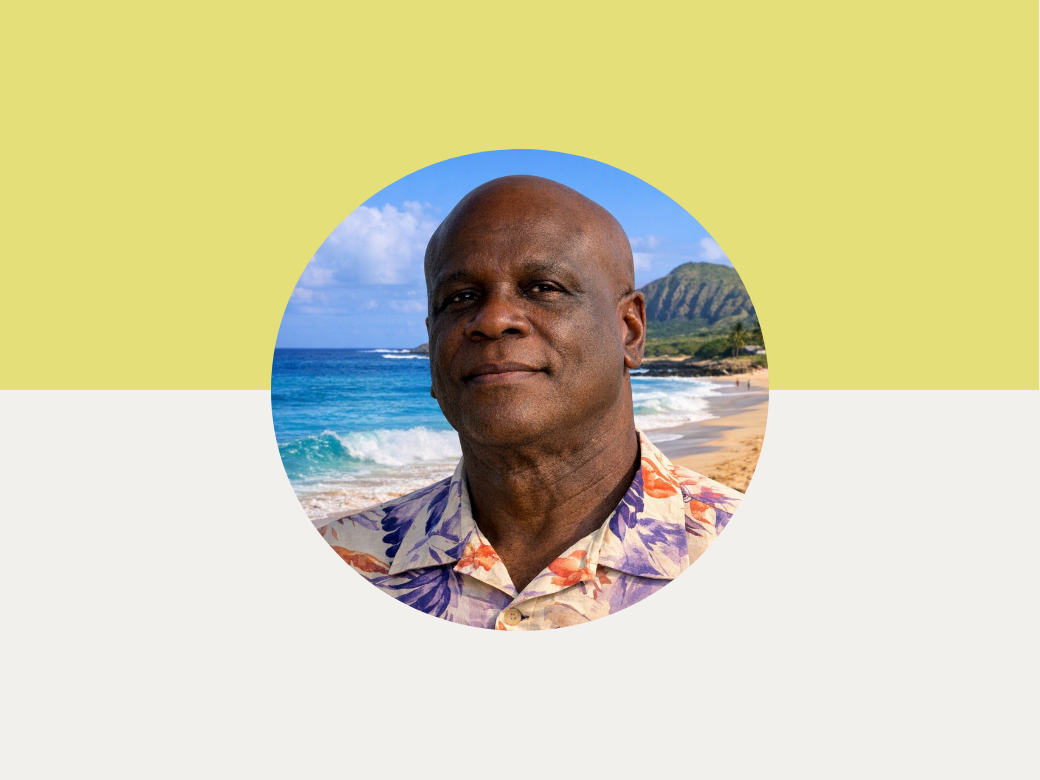
Calvert Williamson governor candidate for Hawaiʻi shared his priorities and positions ahead of the Aug. 8 primary. The nonpartisan hopeful is competing against John Giuffre, Bu Laia Hill and Clyde McClain Lewman.
Why are you best suited for the job of governor? And why do you want the job?
Williamson says he relates to the daily pressures facing working families and wants to tackle low wages, high costs and the outflow of local wealth. His agenda centers on higher pay, tax relief for working families and kūpuna, expanded paths to homeownership, accountable government and an economy that retains more of Hawaiʻi’s earnings.
What are the biggest issues facing the state, and what are the first things you would do to address them in the first six months after being elected?
He lists the cost of living, housing affordability, stagnant wages, healthcare costs and the loss of local wealth to outside interests. In his first six months, he would initiate a broad review of taxes and regulations affecting working families, start an independent audit of major state projects, form a housing and homeownership task force, bolster support for local agriculture and small businesses, and craft plans to raise wages and keep more wealth in the islands.
Constituent question: What specific policies do you plan to implement to prevent and crack down on elected officials who abuse their office for personal gain, in order to begin restoring the public’s trust?
Williamson backs stronger ethics laws, independent corruption investigations, mandatory financial disclosures, enhanced whistleblower protections and stiffer penalties for abuse of office. He proposes an independent forensic audit unit to probe waste, fraud and misconduct, more transparency in government contracting and clear reporting so taxpayers can track public spending.
With the median home price in Honolulu now above $1 million, what steps would you take to make housing more affordable?
He argues affordability hinges on the ability to buy. He would push to increase wages, cut taxes on working families, add more workforce and starter homes, promote local ownership, discourage speculation and improve transportation that links residents to jobs and housing.
He says solving the crisis requires a statewide commitment to prioritizing local families. He also wants stronger coordination with state planning agencies and counties to align housing, infrastructure and land use.
The office of the governor has taken a non-combative stance with the Trump administration over many policy issues. What would be your stance with the federal administration and why?
Williamson says his allegiance is to Hawaiʻi residents, not any party. He would partner with the federal government when it benefits the state and oppose it when it does not, taking a results-oriented approach on housing, healthcare, disaster relief, military impacts and economic development.
Calvert Williamson governor on tourism green fee
Questions have been raised about how the new Hawaiʻi green fee to mitigate climate change is being doled out. Do you share those concerns and how should they be addressed in the future?
He supports visitors helping cover environmental and infrastructure impacts tied to tourism but wants safeguards on spending. He says green fee revenues should be transparent, independently audited and focused on wildfire prevention, water infrastructure, disaster preparedness and community resilience, helping protect Hawaiʻi’s natural resources.
What would you do in office to address the here and now of climate change? And how would you address the costs to taxpayers, property owners and businesses to adapt?
Williamson calls for practical steps: investments in water security, wildfire prevention, coastal protection, resilient infrastructure and renewable energy, along with stronger local agriculture for food security. He would seek federal funds, require major polluters and outside corporations to contribute and ensure transparent, efficient spending to shield taxpayers.
Do you support a temporary transition to liquefied natural gas as Hawaiʻi pursues a goal of using 100% renewable energy by 2045? Is that goal attainable?
He is open to evaluating liquefied natural gas as a short-term bridge if it reduces costs, improves reliability and cuts oil dependence while renewables scale up. He supports the 2045 renewable target if guided by affordability, reliability and technology readiness, with universities, schools and energy companies helping drive innovation and local jobs.
Lawmakers in 2026 largely preserved historic income tax cuts. Will you commit to protecting the tax cuts? Why or why not?
Williamson says yes, and he supports further relief. He aims to eliminate state income taxes for residents earning $200,000 or less, remove the excise tax on food and lower vehicle registration fees.
He emphasizes these steps must be phased in responsibly based on the state’s fiscal capacity, paired with cutting waste, boosting efficiency and growing the economy. That includes reviewing lessons from past crises such as those detailed in the Honolulu tsunami after-action report to protect both public safety and the budget.
In recent years, Hawaiʻi has experienced a series of damaging and dangerous weather events that have exposed weaknesses in our planning, preparation and response. How would you position the state to be better prepared for these events?
He would direct a statewide risk assessment for wildfires, flooding, hurricanes and drought, while reviewing water availability and drainage systems. Priorities include sufficient water supplies for firefighting, stronger emergency planning and resilient infrastructure, plus ready-to-deploy emergency housing and recovery resources for displaced families.
Hawaiʻi has no initiative or referendum process, yet some in the public are frustrated each year when the Legislature kills important legislation without explanation. Is it time for Hawaiʻi to join the 26 states that allow voters to create policy through the ballot? Why or why not?
Williamson supports the legislative process but is open to a carefully designed initiative and referendum option when widely supported measures are repeatedly blocked without transparency. He says voter accountability should guide government decisions.
Despite recent progress, there are more people homeless on the streets and in shelters than there were in 2022. What will you do during your term to reduce homelessness and prevent more people from becoming homeless?
He cites housing costs, low wages, mental illness, addiction and a shortage of affordable options as core drivers. His plan focuses on prevention through higher wages, tax relief, affordable homeownership and more workforce housing.
For people already unhoused, he would expand treatment, job training, transitional housing and wraparound support to help residents regain stability and independence. He also wants closer coordination with agencies such as the Hawaiʻi Department of Health to address mental health and addiction services.