
HONOLULU — A surge of enforcement actions by the Hawaii Department of Health against hemp retailers and processors over the past week has accelerated the collapse of the remaining regulated market and fueled a marked increase in narcotics activity and violent episodes, according to operators and observers.
In the last seven to ten days, DOH inspectors and accompanying law enforcement have conducted repeated inspections, seizures, and shutdowns targeting shops that had continued operating under contested interpretations of state hemp rules. Several locations that were still open earlier this month are now closed or stripped of inventory. Sources familiar with the actions say the pace of enforcement has markedly increased compared with earlier in the summer.
Yesterday, multiple violent acts were reported in connection with the disrupted market. Accounts from industry participants and individuals close to the affected areas describe robberies of people believed to be holding product or cash, along with at least one assault tied to disputes over supply. Specific details remain limited in official channels, but the clustering of incidents on the same day has raised alarm among those who argue the enforcement has pushed activity into less visible and more dangerous channels.
“These weren’t random,” said one person with direct knowledge of yesterday’s events who requested anonymity. “When the shops get hit and the product disappears from the counters, somebody else steps up with their own products and they’re often much more dangerous.”
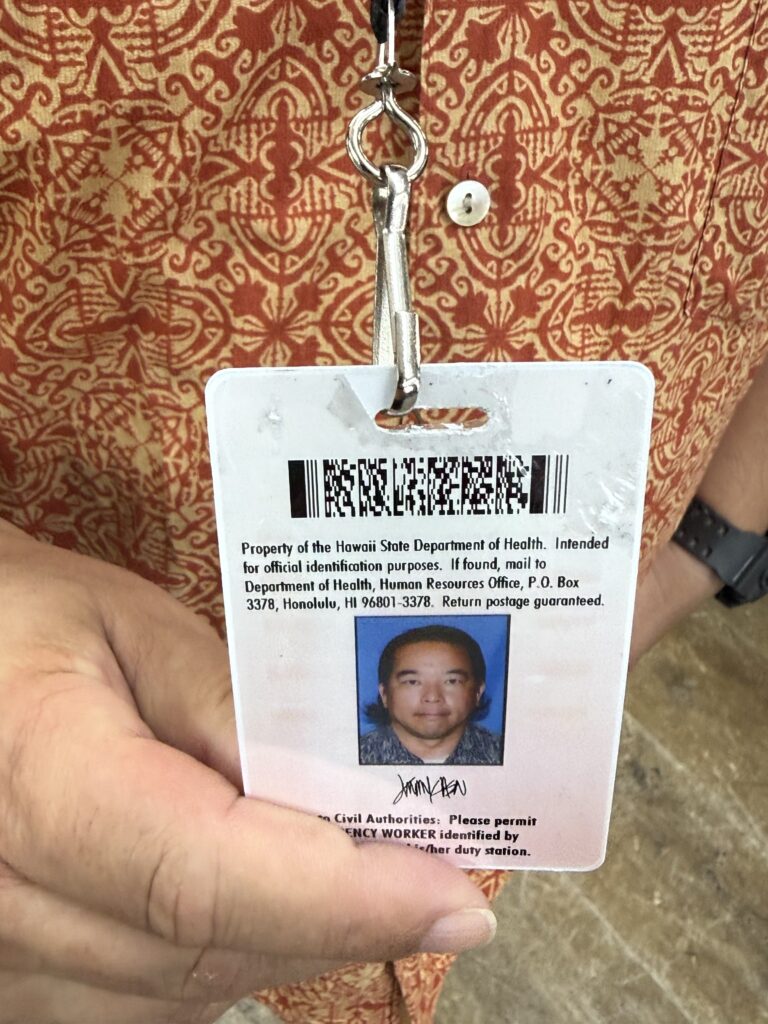
Sources confirmed for The Trade Wind that multiple sales of cocaine, fentanyl and/or heroin and opiate pills, and more have surged in the last week in areas where shops used to be active or vibrant.
Advocates who have long criticized the state’s “total THC” enforcement approach say the past week’s actions confirm their warnings. They argue that aggressive closure of businesses attempting to operate in the open has simply transferred demand to unregulated sellers, with predictable results: higher risk of violence, robbery, and no meaningful oversight of product quality or sales.
The Department of Health has not issued a public statement addressing the recent enforcement wave or the reports of violence that followed. Officials have previously maintained that their actions are required to enforce state law and protect public health.
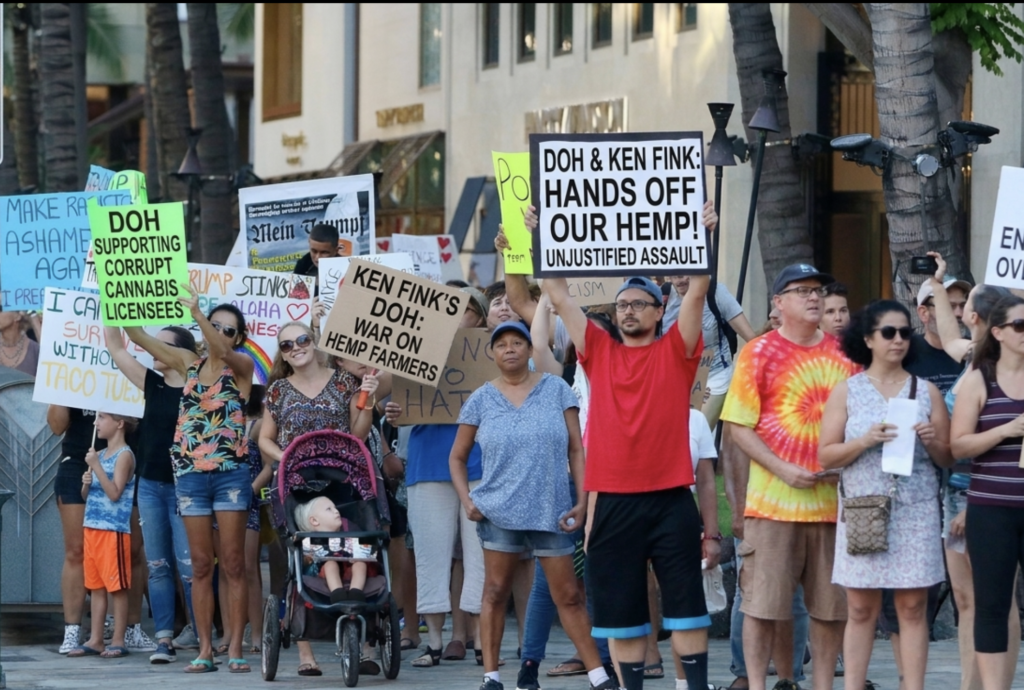
As the legal challenges to Hawaii’s hemp policies continue in federal court, the practical outcome on the ground this past week has been fewer open storefronts, a rapidly expanding shadow market, and a sharp rise in the kinds of violent incidents that regulated commerce is supposed to reduce.