
A Hawaiian monk seal surprised a Molokaʻi homestead in late May, and the encounter has become a rare bright spot for a species under pressure from misinformation and recent killings. The Hawaiian monk seal known as RU99 began hauling out at Kapaʻakea on May 31, showing up in the yard of lifelong resident and popular social media figure Hawaiiloa Mowat. His videos and updates to more than 14,000 followers have helped soften views and spark conversation, according to local advocates.
Volunteers say the timing matters. Earlier this year, a necropsy found that another seal, RL80, had at least one bullet in its body. Federal investigators determined the 7-year-old did not die from the gunshot, but from starvation after its jaw broke when it became entangled in fishing gear. The death followed several monk seal killings on Molokaʻi in 2023 and about 10 additional suspicious cases since then. Officials said a badly decomposed seal was discovered Saturday at Moʻomomi, and the cause of death may never be known.
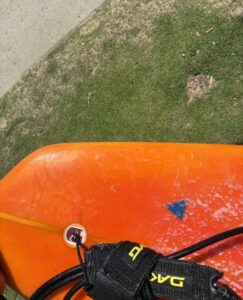
Mowat initially thought the nocturnal visitor was a cat after his dogs began barking on May 31. Seals are rarely seen along the southern shore near his Kapaʻakea homestead, yet RU99 kept returning, sometimes resting in a grassy spot between two parked cars. The year-old seal, called “Lino-boy” by Mowat, quickly drew an online following and, advocates say, a shift in tone.
Volunteer Liz Campbell, who has gathered monk seal data on Molokaʻi for seven years, said Mowat’s posts are changing minds. She believes that if a seal could pick the most influential haul-out site on the island, it might be his front yard.
Hawaiian monk seal numbers and a ‘warrior spirit’
Molokaʻi’s relationship with the Hawaiian monk seal has long been complicated. Only about 1,600 remain in the wild, with roughly 400 around the populated main islands and the rest in the Northwestern Hawaiian Islands. Many Molokaʻi families rely on hunting and fishing, and some residents and outside groups wrongly argue the seals compete directly with fishers and do not belong on the island.
Mowat said Molokaʻi relies heavily on natural resources, and that a desire to protect them can fuel misconceptions about seals. He believes some who lash out at the animals think they are guarding their fish, reflecting deeper frustrations about perceived government attention to wildlife over community needs. The island has about 7,300 residents across 260 square miles.
Like many who grew up on Molokaʻi, Mowat rarely saw monk seals as a child. When RU99 first appeared, he stayed up overnight to keep his dogs away and asked basic questions about what to do. The Hawaiian name for the monk seal is ʻīlioholoikauaua, or “dog that runs in rough water.”
Hawaiian monk seal behavior and ‘an opportunistic creature’
Todd Yamashita, Molokaʻi’s lead coordinator for Hawaiʻi Marine Animal Response, wondered how Mowat would react to a seal in his yard. He did not need to worry. Mowat peppered him with questions and promptly set boundaries so the animal would not be disturbed.
Mowat dove into the species’ history, including near-eradication by 19th century fur traders, and reflected on a Kumulipo verse describing creatures of land and sea. He initially wanted to name the seal Hōkū for the moon phase, but learned RU99 already had the name Namakaʻeleʻōlino, or Dark Shiny Eyes, after being rescued as an abandoned pup on the island’s east side. Online, the seal is simply “Lino-boy.”
Yamashita believes RU99’s preference for carports and stairwells may trace back to time spent at Ke Kai Ola, the monk seal hospital in Kailua-Kona, where RL80 was also treated. Released in April at about 9 months old, RU99 surfaced at Kapaʻakea nearly two months later and has continued to rest there through the summer. Yamashita said the seal may associate the sound of people with nearby concrete, a familiar resting surface.
Hawaiian monk seal becomes ‘the new flashpoint’
Advocates say acceptance of monk seals is slowly growing on Molokaʻi, yet deliberate killings and suspicious deaths still occur, often at Moʻomomi. The remote shoreline has long been at the center of debate over how to steward marine resources. A proposal to create the state’s first Community Based Subsistence Fishing Area at Moʻomomi did not advance on Molokaʻi, though similar efforts have taken hold on Kauaʻi and Hawaiʻi island.
Residents say some who opposed the Moʻomomi proposal have also spread false claims that seals take significant catches from fishers. Yamashita called the monk seal “the new flashpoint” at Moʻomomi.
Mowat recalls the well-known seal KP2 occasionally grabbing fish from his line off Kapaʻakea years ago, often invasive species. He sees that mixed diet as part of the ecosystem balance, with seals eating fish, shellfish and heʻe and helping to check invasives. For now, he said, the responsibility is to mālama these animals.
Campbell said she views monk seals and Native Hawaiians as kindred, and believes Molokaʻi can become a safe haven for the species once the community embraces them. For her, Mowat’s example shows how quickly perspectives can shift when a Hawaiian monk seal hauls out in the most unexpected place.