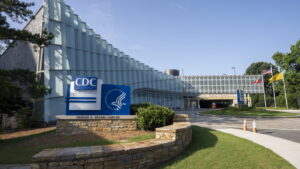

CDC reliability is facing new scrutiny as the nation grapples with a worsening measles resurgence, slipping vaccination rates, and the continued circulation of flu, COVID-19, and RSV. Public health experts say they are increasingly worried about whether information from the Centers for Disease Control and Prevention can be trusted.
“Red flag. Red alert,” said Dr. Demetre Daskalakis, who resigned last year as director of the CDC’s National Center for Immunization and Respiratory Diseases in protest of what he described as political interference at the agency.
Daskalakis and other independent health leaders are alarmed by how federal officials handled two deaths that Pennsylvania authorities had recently attributed to measles. Health and Human Services Secretary Robert F. Kennedy Jr. publicly questioned those deaths, and the CDC subsequently removed the cases from its website.
“When they raise doubt on the adjudication that a state may have made around a death, that is highly problematic,” Daskalakis said. “This is dangerous.”
Typically, states determine measles deaths and report them to the CDC so the agency can alert clinicians and the public nationwide. The CDC generally defers to state findings.
Experts say the public dispute by Kennedy and the CDC’s response raise concerns about federal-state relations at a time when close cooperation is essential. That relationship had already been strained during the Trump administration.
“What we have been seeing, that got amplified even more with these measles cases, is a breakdown in the coordination and trust between states and the federal government,” said Dr. Anne Zink, a senior fellow at the Yale School of Public Health and former Alaska chief medical officer. “These partnerships are critical and essential to making us healthy and well.”
Zink and others worry about whether the public, state and local officials, and clinicians will be able to rely on federal data for measles and other respiratory threats, including flu, COVID-19, and RSV. Some fear the CDC could face pressure to downplay data tied to those illnesses or the impact of declining immunization rates. Kennedy has long questioned vaccines.
“We need to have good solid evidence-based national data. And I’m obviously concerned that it will happen again for other infectious diseases,” said Dr. Georges Benjamin, executive director of the American Public Health Association. “If it happens with flu and with COVID, the question is: Who can we rely on for the data on a national level. More people will get sick because they won’t know what to do. They won’t know who to trust.”
Many are also questioning what this moment means for the effectiveness of the new CDC director, Dr. Erica Schwartz, who took the helm after a tumultuous year of staff cuts and diminished morale. Supporters had hoped Schwartz, a physician and attorney with deep public health experience, would bolster the agency’s credibility by resisting political pressure. Critics say the handling of the Pennsylvania measles reports does not bode well.
“We are seeing a pretty compromised CDC and a director who is at best facilitating non-scientific behavior and at worst colluding with non-scientific behavior,” Daskalakis said.
Others echoed that concern.
“What the director should be doing instead of looking into these disease counts is responding to the outbreak itself,” said Dr. Debra Houry, who resigned as the CDC’s chief medical officer at the same time as Daskalakis for similar reasons. “I haven’t heard from her talking about the importance of getting kindergarteners vaccinated when we’re seeing declining rates. It’s back to school time around the United States. We need her to step up publicly to talk about what can be done.”
The CDC and the Department of Health and Human Services did not respond to repeated requests for comment.
Questions grow over CDC reliability as states push back
For Hawaiʻi families tracking mainland outbreaks and preparing for fall vaccinations, the stakes are high. Experts say consistent, timely national data informs local clinic planning and helps physicians advise patients, especially keiki and kūpuna who face higher risks from measles and seasonal respiratory viruses.
Independent physicians have urged patients to follow the latest guidance for measles, COVID-19, flu, and RSV immunizations, including newly updated schedules. That advice aligns with independent vaccine recommendations released for COVID, flu, RSV and other respiratory illnesses.
Clinics and public health departments in Hawaiʻi continue to monitor CDC data dashboards alongside state-level surveillance. Providers say they are watching closely to see whether national reporting remains stable as the political fight over federal health agencies intensifies.
In the meantime, parents are being told to check immunization records, schedule needed shots well before school deadlines, and stay alert for updates from their pediatricians. Public health leaders say that, regardless of political debates, the underlying tools for disease prevention — vaccines, masking in high-risk settings, and staying home when sick — remain the same.