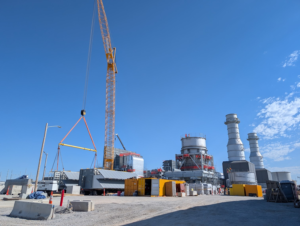
Trump coal plant exemptions and other federal support bolstered nearly half of the nation’s coal fleet, enabling units to keep running despite economic and regulatory pressures, according to a new analysis by the Environmental Defense Fund.
The review of 184 grid-connected coal plants found that 90 received backing from the Trump administration through a mix of direct funding, regulatory leniency, and directives to remain online beyond planned retirement dates, the group said.
According to the analysis, the administration directed $950 million in taxpayer funding to 24 plants and granted Clean Air Act exemptions from toxic pollution limits to 70 plants.
“It’s extending the life of these coal plants,” said Surbhi Sarang, a director and senior attorney at the Environmental Defense Fund, who argued the approach raises electricity costs and pollution for Americans.
The EPA’s Mercury and Air Toxics Standards, first implemented in 2015, drove steep reductions in power plant pollution. The standards were strengthened in 2024 to further cut harmful emissions from coal-fired units. Early in Trump’s second term, companies were invited to seek exemptions from the 2024 updates, citing high compliance costs, according to emails the group obtained through public records requests.
One focus is the long-running Colstrip plant in Montana, which has affected nearby communities, including the Northern Cheyenne reservation, with emissions of mercury, arsenic, lead, and nickel. EDF characterized Colstrip as among the dirtiest plants still operating.
The 2024 update tightened several provisions, including a fine particulate matter, or fPM, standard that cuts allowable emissions of nickel, arsenic, lead, and other toxic metals by two-thirds. EDF said plant owners NorthWestern Energy and Talen Energy requested an exemption from the fPM requirement.
In March 2025, NorthWestern’s president and CEO Brian Bird emailed the Department of Energy seeking to discuss compliance costs with administrator Lee Zeldin, contending it could require a $500 million investment for what he called a slight improvement in particulate capture, according to the records cited by EDF.
The administration granted NorthWestern an exemption from the 2024 updates, and later repealed those updates in February.
Sarang said Colstrip has not installed modern pollution controls that would substantially cut emissions and would have needed to upgrade if the 2024 standards had remained in place.
NorthWestern, now the majority owner of Colstrip, describes the plant as a dependable bridge to a cleaner energy future that provides reliable power until comparable carbon-free resources are commercially viable.
In response to questions about EDF’s findings, NorthWestern said Colstrip’s sulfur dioxide removal technology is state of the art and 99.6 percent efficient at capturing filterable particulates. The company said meeting the 2024 federal updates would have pushed that to 99.8 percent by 2028 at a cost of hundreds of millions of dollars, and that current mercury controls meet state and federal requirements.
Another plant receiving an exemption was the WA Parish facility near Houston, where residents have urged closure over carbon emissions and what they describe as hazardous particulate levels. Owner NRG asked for exemptions across its coal fleet, arguing that compliance would force units to derate, removing megawatts from the grid in critical areas and straining affordability and reliability, according to correspondence cited by EDF. NRG did not comment.
Academic research underscores the health stakes. A 2018 Rice University study linked WA Parish to as many as 177 premature deaths annually from fine particulate pollution known as PM2.5, which is associated with higher rates of respiratory disease, heart attacks, and strokes. “Our research has shown that WA Parish is the deadliest power plant in Texas,” said Rice professor Daniel Cohan.
Cohan said coal plants nationwide were expected to meet the 2024 updates, and that rolling them back allows plants to operate longer. He added that many coal units are near breakeven financially, so requirements to invest in pollution controls can tip decisions toward retirement and replacement by cheaper, cleaner sources.
The administration defended its policies, saying prior Democratic measures closed coal plants that delivered reliable, affordable power. A White House spokesperson said the administration backed and saved more than 100 coal plants, preserved over 17 gigawatts of capacity, and “saved lives” during periods of high demand.
Trump coal plant exemptions draw scrutiny over costs and pollution
For Hawaiʻi readers, the debate mirrors broader questions facing island utilities. While Hawaiʻi has already retired coal and is advancing renewables and storage, national policy shifts that extend mainland coal operations can affect wholesale energy markets and the pace of emissions cuts that influence climate-driven risks across the Pacific.
Those national shifts also intersect with policies such as the EPA methane rule rollback proposed by Trump administration, which have shaped how quickly fossil fuel emissions fall in the coming decade.
Communities near plants like WA Parish continue to push for cleaner air standards, often turning to agencies such as the U.S. Environmental Protection Agency for oversight and enforcement.