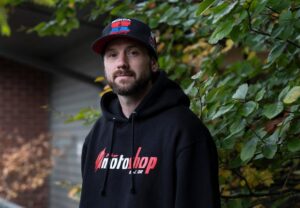
In the Virginia 1st Congressional District, a cozy cafe in Tappahannock is a window into how families and small businesses are coping with persistent high prices. At Java Jacks, the savory sausage and powdered-sugar “jacks” still draw regulars, and the cafe’s cheeky T-shirts are part of the charm. But behind the counter, owner Jeans Owens is navigating bigger bills and thinner margins.
Owens and her husband took over the cafe about eight years ago to be their own bosses and build a better retirement plan. The first stretch has been anything but easy. The pandemic and inflation hit hard, and key inputs surged in price. Coffee beans are up more than 30% since 2022, she said. Beef, sausage, and paper goods all cost more. To-go boxes that once cost 12 cents now run nearly 30 cents, and a cup, lid, and straw that used to total about 3 cents now top 20 cents.
The utility bill has spiked too. What was typically a $450 to $500 monthly electricity charge is now over $1,000, Owens said.
To keep menu prices within reach, she is constantly bargain hunting. Some items that once came from a wholesale supplier now come from Walmart runs at dawn. Fresh fruit is sourced from a local grocer. She toggles among three suppliers to chase the lowest price and tries to keep certain meals at $10 to help regulars.
Customers are adapting as well. Owens has noticed more seniors splitting meals, a rarity when she bought the shop that now appears multiple times a day. Tipping patterns have shifted too, tightening when gas prices jump and rebounding when they ease.
Costs weigh on Virginia 1st Congressional District businesses
Owens said the toughest challenge right now is staffing, which ties back to affordability. She also runs a coffee spot in nearby Warsaw and has spent months short-handed across both locations. Rents have climbed in this rural region, where median income is roughly $50,000. She has helped employees find housing and even covered short motel stays. Transportation is another strain. Some workers lack cars or are pinched by gas prices, so about five employees carpool to work.
The constant staffing scramble means Owens often jumps into the kitchen and pushes paperwork to nights and days off. She said she sees other local restaurateurs doing the same, working long hours to keep the doors open.
Owens avoids discussing midterm politics, though her experience with housing and transportation pushed her to run for a nonpartisan town council seat. Tappahannock sits in the eastern part of the Virginia 1st Congressional District, where Republican incumbent Rob Wittman and Democrat Shannon Taylor, Henrico County’s commonwealth’s attorney, are in a close race. Whoever wins, she said, she wants them to grasp what small businesses are up against. “We’re struggling,” she said.
Across the Rappahannock River in Richmond County, office manager Jameka Campbell sees a similar disconnect between elected officials and day-to-day costs. “I think they need to get like Cardi B and go back to the grocery store and actually shop,” she said, urging politicians to see prices firsthand.
Campbell works two jobs at Menokin, the historic site once owned by Francis Lightfoot Lee, a signer of the Declaration of Independence and a slave owner. In addition to her administrative role, she serves as community and outreach director with nonprofit Just Harvest Va, which maintains gardens on the grounds to support food sovereignty efforts. The group teaches BIPOC communities how to grow and cook fresh food, from cultivating land to building farm-to-table skills.
Some of Campbell’s budgeting savvy comes from her grandmothers. Another tool is modern: she is a master of Walgreens app discounts. At her go-to store in Callao, she plans a once-a-month stock-up trip for household basics, aiming to keep it to $100 by clipping digital coupons and timing purchases around sales.
Take her preferred laundry detergent, $4.99 for a 27.5-ounce bottle. When it is on a “buy one, get two free” promotion, she buys in bulk. She also stacks Walgreens Cash rewards, picking up qualifying items like deodorant or shaving products to earn credit. At checkout, she breaks purchases into batches to roll rewards from one transaction to the next, always spending them the same day.
On a recent run, Campbell left with two 12-packs of toilet paper, facial tissues, Lysol, dish soap, disinfecting wipes, laundry pods, disposable bathroom cups, three laundry scent boosters, toothpaste, a toothbrush, and mouthwash. The bill came to $60.04 after $27.71 in savings. That, she said, covers a meal or about a quarter tank of gas.
Campbell is also watching the midterms closely. She plans to study the candidates’ records and personal circumstances, including where they live and what properties they own. If they do not reflect her community and priorities, she said, “then they have to go.” She will decide her vote closer to election day.
For now, Campbell describes herself as squarely in the middle. “I’m not rich. I’m not poor. I’m in between,” she said. That balance could tip either way, she added, from an unexpected windfall to a sudden loss of both jobs.
Menokin’s grounds include art installations, historical artifacts, and a recreated slave dwelling that acknowledge the lives of the enslaved people who once worked there. When rising prices feel overwhelming, Campbell said she thinks of their endurance. If they endured that history, she tells herself, she can push through today’s challenges too.